
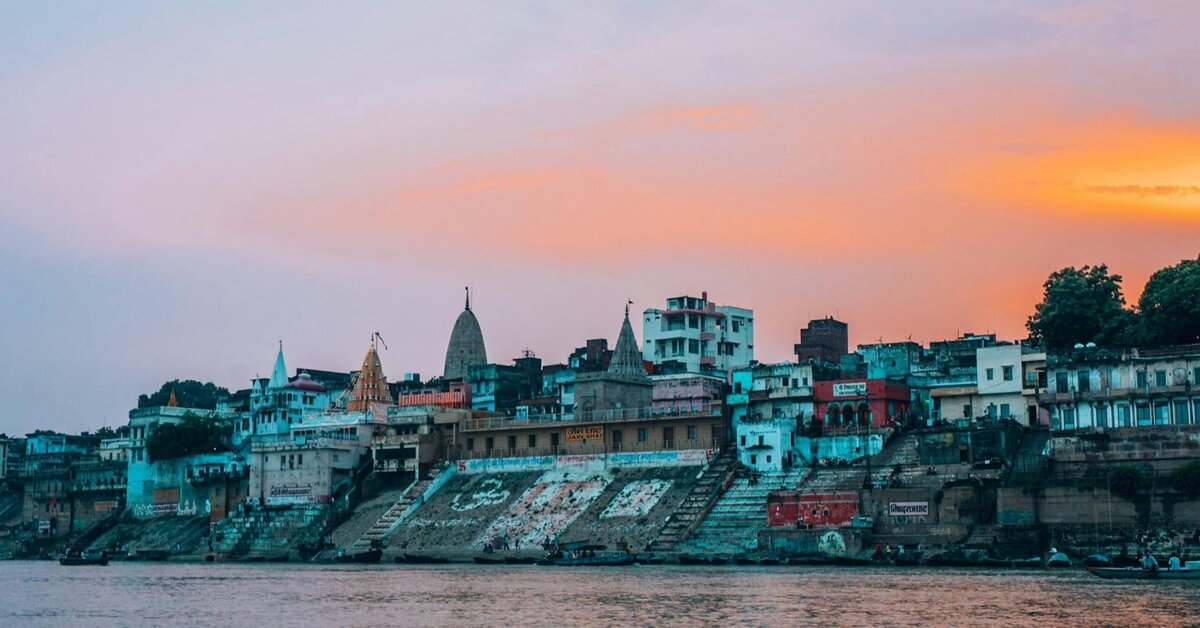
Cheapest Month to Visit Varanasi Ayodhya Prayagraj – Save Big , Planning a spiritual journey to India’s holiest cities shouldn’t drain your savings. While Varanasi, Ayodhya, and Prayagraj offer profound spiritual experiences year-round, strategic timing can reduce your travel costs by an astounding 40-60% without compromising the essence of your pilgrimage. Understanding seasonal pricing patterns, weather considerations, and festival impacts empowers budget-conscious travelers to experience these sacred destinations during optimal value windows while avoiding the premium prices that peak season demands.
The secret to affordable spiritual travel lies in embracing India’s natural seasonal rhythms rather than fighting them. While winter months attract maximum pilgrims with perfect weather and correspondingly inflated prices, the shoulder and off-season months offer remarkable opportunities—dramatically reduced accommodation rates, fewer crowds enabling peaceful spiritual experiences, better service as hotels compete for limited guests, and substantial savings across transportation, dining, and activities. This comprehensive guide reveals exactly when to visit each city for maximum savings while maintaining meaningful spiritual experiences.
Cheapest Month to Visit Varanasi Ayodhya Prayagraj – Save Big
Understanding Seasonal Pricing Dynamics
Before identifying the cheapest months, understanding why prices fluctuate helps you make informed decisions balancing cost savings with personal comfort levels.
Peak Season Premium (October-March): Pleasant weather (15-28°C) coincides with major festivals and school holidays, creating maximum demand. Hotels charge 40-70% premiums above base rates. A hotel room costing ₹2,500 in off-season reaches ₹4,000-5,500 during peak months. Transportation providers, restaurants, and tour operators similarly increase rates, while popular attractions see long queues and crowding.
Festival Super-Premium (Specific Dates): Major events like Dev Deepawali (Varanasi), Ram Navami (Ayodhya), or Magh Mela (Prayagraj) see rates skyrocket 100-300% above base pricing. Standard accommodations costing ₹3,000 normally may demand ₹10,000-12,000 during festivals, with severe availability constraints forcing many travelers to accept whatever options remain.
Shoulder Season Balance (September, April): Transitional months offer compromise—temperatures moderate (25-35°C), crowds diminish, and prices drop 20-35% below peak levels. These months provide excellent value for travelers tolerating slightly warmer weather.
Off-Season Bargains (May-August): Hot summer (May-June) and monsoon (July-August) months see dramatic price reductions of 40-60% as tourism slows. Hotels compete aggressively for limited business, creating exceptional savings opportunities for travelers comfortable with challenging weather.
The Cheapest Months: Month-by-Month Analysis
May & June: Maximum Savings Despite Heat
Savings Potential: 50-60% off peak season rates
Why It’s Cheapest: Summer heat (35-45°C) deters most tourists, creating rock-bottom pricing across all travel components. Hotels slash rates by half or more, restaurants offer promotions, and tour operators provide aggressive discounts to maintain any business flow.
Actual Cost Examples:
- Hotels: ₹1,000-2,500 (normally ₹3,500-6,000)
- Complete 3-day tour packages: ₹7,000-12,000 (normally ₹15,000-25,000)
- Restaurant meals: Standard pricing but often promotional discounts
- Transportation: 20-30% below peak season rates
Weather Considerations: Temperatures reach 40-45°C with intense afternoon heat and occasional pre-monsoon dust storms. However, early mornings (5:00-9:00 AM) and evenings (6:00-10:00 PM) remain relatively comfortable for temple visits and ghat activities. Strategic planning around heat patterns makes summer travel manageable.
Best For: Budget-conscious pilgrims prioritizing savings over comfort, young travelers tolerating heat well, those with flexible schedules avoiding peak season, and devotees believing spiritual merit transcends weather discomfort.
Practical Tips: Schedule major activities during early morning and late evening, stay hydrated constantly, choose accommodations with quality air conditioning, embrace afternoon rest periods (mimicking local lifestyle), and pack light cotton clothing, sun protection, and electrolyte supplements.
July & August: Monsoon Season Value
Savings Potential: 45-55% off peak season rates
Why It’s Affordable: Monsoon rains (moderate to heavy) reduce tourist numbers despite more comfortable temperatures (28-35°C). Humidity levels are high but heat is less intense than May-June. Hotels maintain off-season pricing to sustain occupancy.
Actual Cost Examples:
- Hotels: ₹1,200-3,000 (normally ₹3,500-6,500)
- Complete 3-day packages: ₹8,000-14,000 (normally ₹15,000-26,000)
- Flights/trains: Often 25-35% cheaper than winter months
- Activities: Standard rates with occasional monsoon specials
Weather Considerations: Regular rainfall creates lush green landscapes and swollen rivers, offering unique atmospheric beauty. Ganga, Saryu, and Yamuna rivers flow magnificently during monsoon. However, expect intermittent rains, high humidity (75-90%), occasional flooding in low-lying areas, and slippery ghat steps requiring caution.
Best For: Travelers who find monsoon atmosphere romantic and spiritually evocative, photographers seeking dramatic river and weather shots, those comfortable with weather unpredictability, and pilgrims embracing rain as divine blessing.
Practical Tips: Carry quality rain gear and waterproof bags, book hotels with covered walkways and parking, choose elevated properties avoiding flood-prone areas, embrace flexibility as rain may alter daily plans, and enjoy the lush green transformation of typically arid landscapes.
September: Excellent Shoulder Season Value
Savings Potential: 30-40% off peak season rates
Why It’s Affordable: Post-monsoon period before peak season begins. Weather improves steadily, but most travelers wait for October-November, creating excellent value opportunities.
Actual Cost Examples:
- Hotels: ₹2,000-4,000 (normally ₹3,500-6,500)
- Complete 3-day packages: ₹10,000-17,000 (normally ₹15,000-26,000)
- Overall costs: 30-35% below peak season
Weather Considerations: Improving weather with moderate temperatures (25-33°C), decreasing rainfall frequency, and increasing clear days. Early September may still see occasional showers, while late September closely resembles pleasant October weather.
Best For: Smart travelers seeking optimal balance between savings and comfort, those flexible with exact travel dates, pilgrims avoiding peak season crowds while enjoying good weather.
Practical Tips: Book late September for weather closest to peak season at better prices, combine with early October for extended trips spanning shoulder-to-peak transition, and secure accommodations early as savvy travelers increasingly discover September’s value.
April: Spring Shoulder Season
Savings Potential: 25-35% off peak season rates
Why It’s Affordable: Post-peak season period before severe summer heat. Temperatures rising (28-38°C) but still manageable. Tourist numbers declining as peak season ends.
Actual Cost Examples:
- Hotels: ₹2,200-4,500 (normally ₹3,500-7,000)
- Complete 3-day packages: ₹11,000-18,000 (normally ₹15,000-27,000)
- General expenses: 25-30% below peak rates
Weather Considerations: Warm but not extreme, with temperatures gradually increasing through the month. Early April remains comfortable while late April transitions toward summer heat. Generally dry with minimal rainfall.
Best For: Travelers seeking good weather with moderate savings, those visiting during spring break periods, and pilgrims comfortable with warmer temperatures avoiding extreme summer heat.
Practical Tips: Visit early-to-mid April for optimal weather-savings balance, plan indoor activities and river-based experiences during warmer afternoon hours, and book in advance as April attracts more visitors than deeper off-season months.
City-Specific Budget Recommendations
Varanasi: Cheapest Months Ranked
- May-June: Absolute lowest prices (50-60% savings) but intense heat
- July-August: Excellent savings (45-55% off) with atmospheric monsoon
- September: Great balance (30-40% savings) with improving weather
- April: Good savings (25-35% off) before summer peaks
Avoid for Budget Travel: November (Dev Deepawali premium), December-January (peak winter pricing), March (rising demand before April heat)
Budget-Friendly Varanasi Package: ₹7,000-11,000 for 3 days during May-August versus ₹15,000-22,000 during peak season
Ayodhya: Cheapest Months Ranked
- May-June: Maximum savings (55-60% off) despite heat
- July-August: Strong savings (50-55% off) with monsoon
- September: Balanced option (35-40% savings)
- April: Moderate savings (30-35% off) with manageable weather
Avoid for Budget Travel: March-April (Ram Navami premium creates exceptions to general April value), October-February (peak pilgrimage season)
Budget-Friendly Ayodhya Package: ₹6,000-10,000 for 2-3 days during May-August versus ₹13,000-20,000 during peak season
Prayagraj: Cheapest Months Ranked
- May-June: Best savings (50-60% off peak rates)
- July-August: Excellent value (45-55% savings)
- September: Good balance (30-40% savings)
- April: Decent savings (25-35% off)
Avoid for Budget Travel: January-February (Magh Mela pricing even post-Maha Kumbh), October-December (peak pilgrimage season)
Budget-Friendly Prayagraj Package: ₹5,500-9,000 for 2-3 days during May-August versus ₹12,000-18,000 during peak season
Combined Circuit Savings
Visiting all three cities together amplifies savings during off-season months through multi-city package efficiencies.
Peak Season Combined Tour (October-February):
- Varanasi (3 days): ₹15,000-22,000
- Ayodhya (2 days): ₹13,000-18,000
- Prayagraj (2 days): ₹12,000-16,000
- Total: ₹40,000-56,000 per person
Off-Season Combined Tour (May-August):
- Varanasi (3 days): ₹7,000-11,000
- Ayodhya (2 days): ₹6,000-9,000
- Prayagraj (2 days): ₹5,500-8,000
- Total: ₹18,500-28,000 per person
Total Savings: ₹21,500-28,000 per person (48-54% reduction)
For a family of four, this represents ₹86,000-112,000 in total savings—enough to upgrade accommodations, extend the trip, or save for future travels.
What You Sacrifice (and Gain) in Cheaper Months
Weather Comfort Trade-Off: Yes, you’ll face heat or rain. However, many pilgrims find spiritual merit in weathering discomfort for darshan, viewing it as part of their devotional journey. Additionally, modern AC accommodations, strategic activity timing, and local adaptation techniques make even challenging weather manageable.
Reduced Crowds = Enhanced Experiences: Fewer tourists mean shorter temple queues, more personal space at ghats, better service from less-stressed staff, easier photography without crowd interference, and more authentic local interactions. Many travelers report deeper spiritual connections during quiet off-season visits compared to overwhelming peak season crowds.
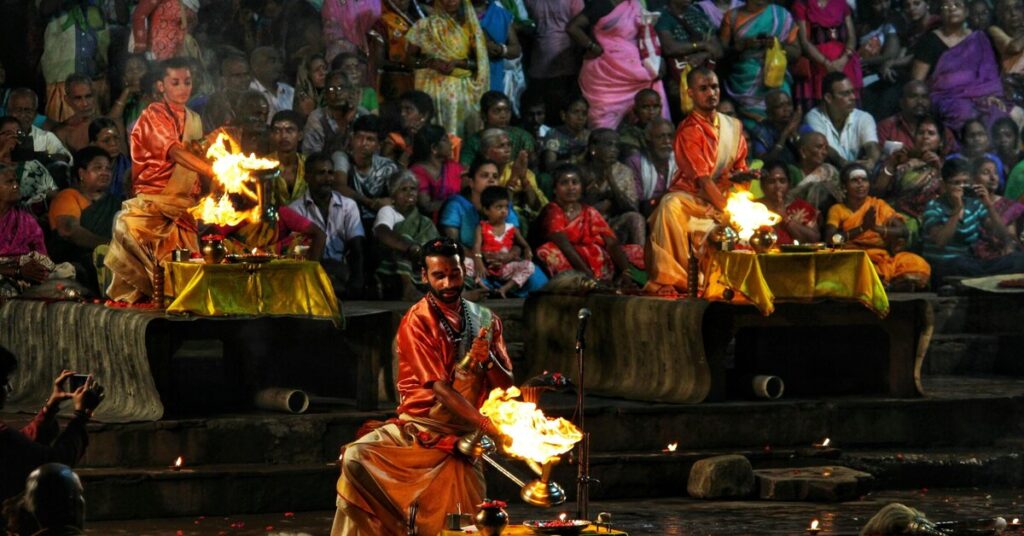
Festival Absence: You’ll miss major festivals like Dev Deepawali or Ram Navami. However, daily aarti ceremonies, temple rituals, and fundamental spiritual atmosphere continue year-round. For many pilgrims, peaceful personal devotion outweighs festive spectacle.
Better Service: With fewer guests, hotels provide more attentive service, restaurants accommodate special requests readily, guides offer more personalized attention, and tour operators show greater flexibility for customization.
Smart Booking Strategies for Maximum Savings
Book Well in Advance Even for Off-Season: While last-minute off-season bookings work, advance reservations (2-3 months ahead) secure absolute best rates as hotels offer early-bird discounts on already-reduced off-season pricing. Savings stack multiplicatively—off-season base rates plus early-bird discounts create exceptional deals.
Leverage Package Deals: Tour operators like TripCosmos.co offer aggressive off-season packages bundling accommodations, transportation, guides, and meals at rates impossible to match through independent booking. Their wholesale agreements with hotels mean even deeper discounts during slow periods.
Flexible Date Selection: If you can shift travel dates by just 1-2 weeks, you might transition from shoulder season to deep off-season pricing or avoid isolated high-demand periods, saving an additional 10-20%.
Multi-City Combinations: Booking Varanasi-Ayodhya-Prayagraj circuits during off-season provides double benefits—reduced per-city costs plus multi-destination package efficiencies.
Direct Operator Contact: During off-season, operators have negotiating flexibility. Polite inquiries about “best available rates” or “any current promotions” often yield additional discounts beyond published prices.
Midweek Travel: Even within off-season months, weekdays offer slight advantages over weekends. Tuesday-Thursday arrivals occasionally secure additional 5-10% savings.
Making Off-Season Travel Comfortable
Accommodation Selection: Choose hotels with excellent air conditioning, backup power systems, and preferably swimming pools or comfortable common areas for afternoon respite during summer months. During monsoon, select elevated properties with covered walkways.
Activity Timing: Structure days around weather—early morning temple visits and ghat experiences (5:00-10:00 AM), midday rest periods in AC comfort (11:00 AM-4:00 PM), and evening activities (5:00-9:00 PM). This rhythm mirrors local lifestyle and maximizes comfort.
Health Precautions: Carry electrolyte supplements for summer, stay vigilantly hydrated, pack quality rain gear for monsoon, and ensure comprehensive travel insurance covering weather-related medical needs.
Embrace Local Wisdom: Observe how locals manage seasonal challenges—afternoon siestas during summer, light cotton clothing, specific eating patterns maintaining energy despite heat, and flexibility with daily schedules around weather patterns.
Mental Preparation: Frame weather challenges as part of your pilgrimage experience rather than obstacles. Many spiritual traditions emphasize enduring discomfort as spiritually purifying. Approaching heat or rain with acceptance rather than resistance transforms your experience.
The Bottom Line: Your Budget Travel Strategy
For maximum savings while maintaining meaningful spiritual experiences, target May through August for Varanasi, Ayodhya, and Prayagraj visits. These months offer 45-60% cost reductions across all travel components—savings that make the difference between affording the trip or not for many families.
If weather concerns outweigh savings importance, September provides the optimal compromise—30-40% savings with significantly improved weather, though not quite matching off-season’s dramatic discounts.
April offers moderate savings (25-35% off) for those prioritizing comfort but still seeking value, though late April transitions toward summer heat.
TripCosmos.co understands that budget constraints shouldn’t prevent sacred pilgrimages. Their off-season packages maximize value while ensuring comfortable, meaningful spiritual journeys. With expertise handling weather logistics, selecting optimal accommodations, and timing activities strategically, they transform potential challenges into manageable, even enriching, aspects of your pilgrimage.
The sacred cities await your devotion year-round. Their spiritual power doesn’t diminish with seasons—only the crowds and costs change. Book wisely during budget-friendly months, prepare appropriately, and experience profound spiritual journeys without financial stress or premium pricing pressures.
Frequently Asked Questions (FAQs)
Q1: Which single month offers the absolute cheapest prices for visiting all three cities?
May typically offers the absolute lowest prices across Varanasi, Ayodhya, and Prayagraj, with savings of 50-60% compared to peak season. However, temperatures reach 40-45°C, requiring heat tolerance. If you can handle summer conditions, May delivers maximum savings. June follows closely with similar pricing and slightly improved weather as monsoon approaches. For slightly less savings (45-55% off) with more comfortable weather, July-August monsoon months provide excellent alternatives.
Q2: How much can a family of four actually save by traveling during off-season months?
A family of four visiting Varanasi, Ayodhya, and Prayagraj during peak season (November-February) typically spends ₹160,000-224,000 for a comprehensive 7-day trip. The same itinerary during off-season (May-August) costs ₹74,000-112,000—savings of ₹86,000-112,000 (48-54% reduction). These savings cover entire additional trips, significant upgrades to luxury accommodations, or simply remain in your family budget for other priorities.
Q3: Is it safe to visit these cities during monsoon season?
Yes, visiting during monsoon (July-August) is generally safe with appropriate precautions. Choose elevated accommodations avoiding flood-prone areas, carry quality rain gear, stay updated on weather forecasts, book hotels with covered parking and walkways, and maintain schedule flexibility for heavy rain days. Millions of locals and pilgrims navigate monsoon successfully—you can too with basic preparation. The dramatically swollen sacred rivers actually create spectacular, spiritually evocative atmospheres many pilgrims find deeply moving.
Q4: Will temples and major attractions be open during off-season months?
Absolutely! All major temples, ghats, and spiritual sites in Varanasi, Ayodhya, and Prayagraj operate year-round regardless of season. Daily rituals, aarti ceremonies, and temple services continue without interruption. Off-season actually provides better access—shorter queues, more personal space, and easier darshan at popular temples. Some auxiliary tourist attractions might have reduced hours, but all essential spiritual sites remain fully accessible.
Q5: How do I book the best off-season packages for maximum savings?
Book 2-3 months in advance even for off-season travel to stack early-bird discounts on top of already-reduced seasonal rates. Compare packages from reputable operators like TripCosmos.co who offer transparent pricing and comprehensive inclusions. Look for bundled packages covering multiple cities, as these provide better per-destination value. Ask directly about current promotions or off-season specials. Verify that packages include quality AC accommodations crucial for summer comfort, and confirm activity timing flexibility allowing weather-appropriate scheduling.





[…] Ayodhya Ram Mandir VIP Darshan Tour with a private cab transforms a simple temple visit into a memorable spiritual journey. The […]
[…] destination, rather than regretting missed elements. The ancient city will endure—return visits remain possible if Varanasi captures your […]
[…] well-designed luxury day tour balances Varanasi’s essential experiences with comfortable pacing that prevents exhaustion. The journey typically begins with early morning hotel pickup in […]
[…] with a light breakfast as you’ll likely eat a heavier meal mid-day. Wear comfortable walking shoes—temple visits involve considerable walking and stair climbing. Dress modestly with covered shoulders and knees […]
[…] modest, comfortable clothing suitable for temple visits and group activities. Bring good walking shoes, as you’ll cover significant ground despite […]
[…] Varanasi Combo Package Boat + Food + Temple Visit , Why settle for seeing just one aspect of Varanasi when you can experience its complete identity? The combo package eliminates the hassle of booking separate tours, coordinating timings, and navigating the city’s complex geography. You get the spiritual elevation of temple visits, the serene beauty of a Ganges boat ride, and the sensory delight of authentic local food—all seamlessly woven into one coherent experience. […]
[…] to Visit Varanasi Comfortably with Old Parents (Complete Plan) , Before we dive into solutions, let’s acknowledge what makes Varanasi tricky for […]
[…] your Varanasi visit dramatically affects your parents’ comfort and safety. The most pleasant months are October through March, with November through February […]